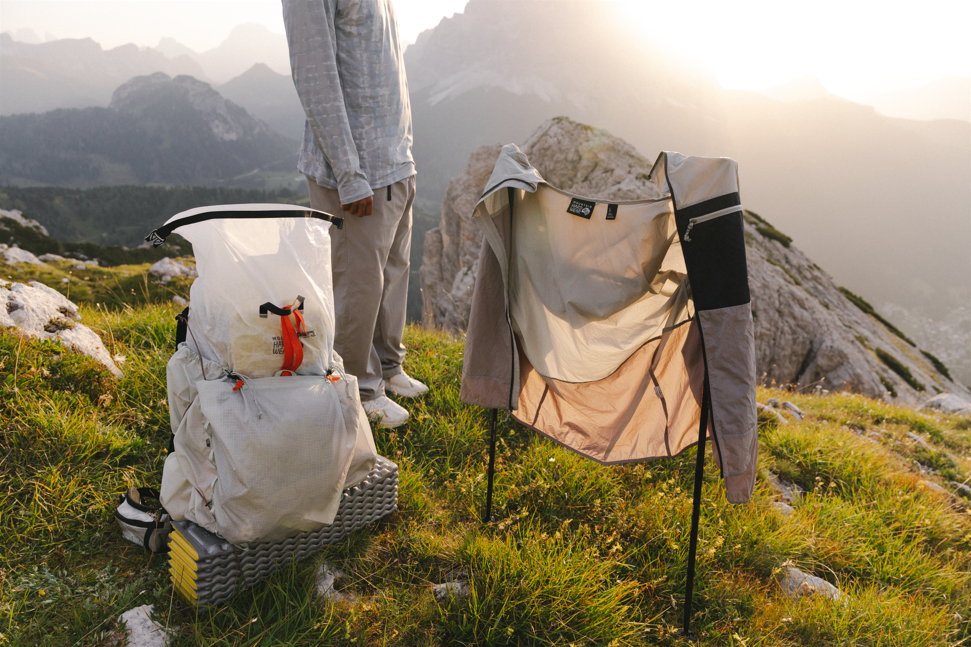
For decades, ultralight backpacking lived in the margins. It was defined by gram counters, shaving toothbrush handles, and sleeping on brutally thin foam pads to save ounces. Today, that ethos is bleeding into the mainstream in a much different way. What’s emerging isn’t a wholesale shift toward purist ultralight, but rather a fast-growing middle ground that brands are increasingly calling the “ultralight curious.” As gear has gotten lighter across the board, the barrier to entry has dropped significantly, and more consumers are engaging with the idea of going lighter without fully committing to the trade-offs that once defined the category. As Jonathan Schmid, CEO of pioneering ultra-light brand Gossamer Gear, puts it, “It is easy to be more comfortable now, you don’t have to make a comfort leap to try light gear. If you even go into a big box store, the gear is much lighter and more approachable than it was 10 years ago.”
 That accessibility is fundamentally changing how consumers approach outdoor gear, and from premium camping gear company Exped’s perspective, ultralight is no longer confined to thru-hikers or hardcore backpackers. “Ultralight used to be this niche term that was really focused on the thru-hiking community specifically,” says Alex Kim, marketing and sales coordinator at Exped. “Now we’re seeing just this weight-conscious mindset really influencing a pretty large group.” In other words, ultralight has evolved from a category into a cultural lens that influences how people think about everything from backpacking kits to everyday carry. Kim points to broader trends like slimmer phones and wallet-free lifestyles as evidence that this desire to streamline is showing up well beyond the trail.
At the same time, the term itself has become more visible, and arguably more diluted, even as the number of true ultralight users remains relatively small. “The actual number of people that are truly doing it that way is small,” says Pat Davis, founder of Green River Sales. What has grown, however, is the number of people who are inspired by the idea of ultralight. “There’s a massive growing contingency of young people that are trying to do things faster and quicker,” he says. That gap between aspiration and experience is where the ultralight curious consumer lives, and it’s increasingly where brands are focusing their attention.
To better understand that shift, it helps to break the market into three rough groups: traditional ultralight purists, comfort-focused backpackers, and the emerging middle. “The traditional ultralight customer knows their base weight to the gram and understands the trade-offs,” says Kim, describing the classic image of someone willing to sacrifice comfort for efficiency. In contrast, the ultralight curious consumer is “weight conscious, but more focused on the experience,” he explains. “They want the benefits of lightweight gear, but not necessarily the trade-offs.” The distinction between chasing the lightest possible setup and seeking a better overall experience is becoming the defining tension in the category.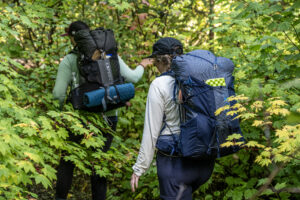
For many newer users, that tension can lead to poor first experiences. Davis has seen it play out repeatedly with younger consumers drawn in by fastpacking and social media. “There’s a growing contingent of really young people that are getting into fastpacking and ultralight, but their experiences are terrible,” he says. “They’re trying to just do what they do and it’s not comfortable.” The issue isn’t a lack of enthusiasm, but rather a mismatch between the gear they’re buying and how they’re actually using it. Packs designed to carry minimal weight get overloaded, sleep systems sacrifice too much comfort, and what should be an entry point into the outdoors becomes a miserable experience.
Part of what’s fueling this dynamic is the convergence of several larger trends. Social media has made ultralight gear more visible than ever, with pack breakdowns, gear lists, and thru-hiking content creating a highly aspirational image of what modern backpacking looks like. At the same time, the thru-hiking community itself is expanding, with events like PCT Days and AT Days growing rapidly in both attendance and cultural influence. Additionally, more people are getting outside and the result is a much larger audience encountering ultralight concepts for the first time.
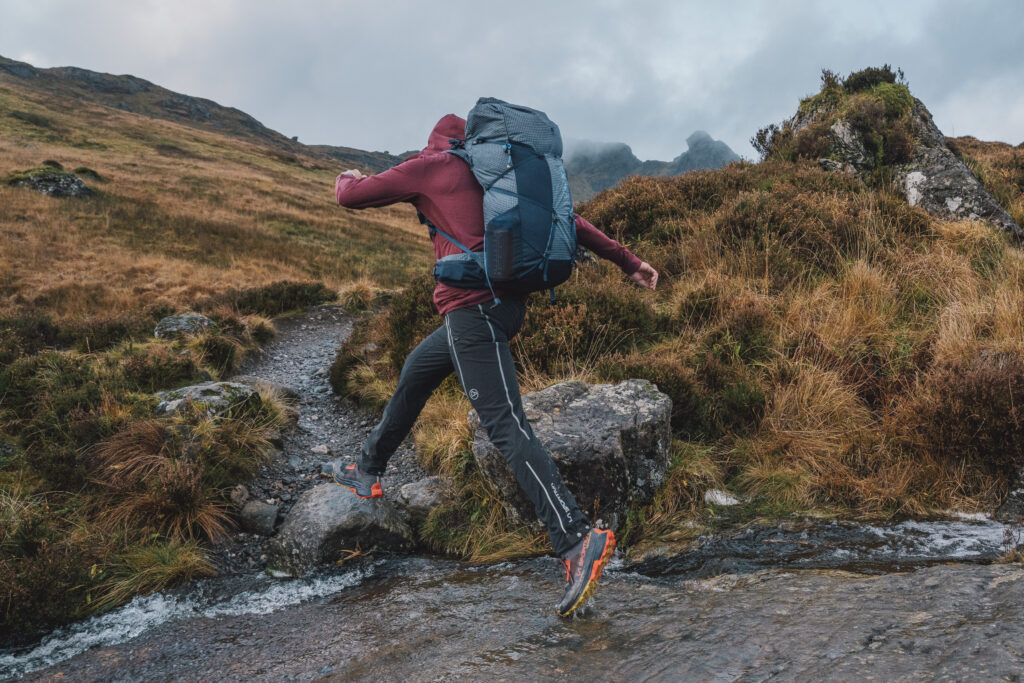
Just as important, though, is how much the baseline has changed. Today’s entry-level gear is significantly lighter and more refined than it was a decade ago, which means new consumers are starting their journeys from a very different place. “The availability of gear is vastly different,” says Kim. “Even at an entry point, it’s just much more accessible.” Instead of progressing from heavy to light over time, many consumers are jumping straight into lightweight systems.
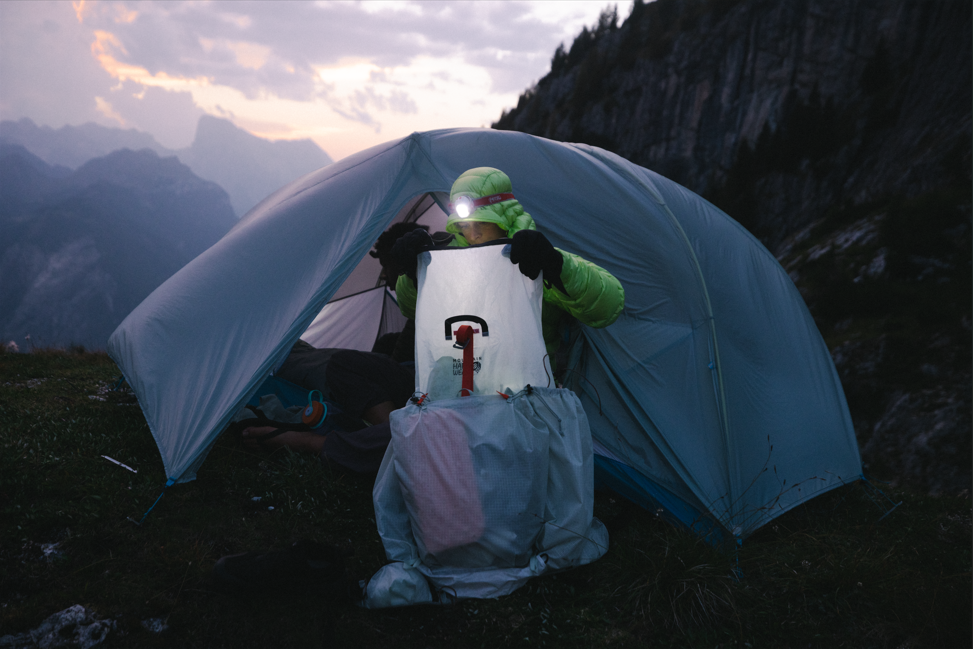
Brands are recognizing that shift and increasingly designing products that live in the middle rather than at the extremes. Exped, for example, emphasizes comfort-first design even in its lightest offerings. “We design with experiential use in mind,” says Kim. “We want people to be well-rested, to have more energy, to enjoy the trip and not just to reduce weight.” That approach shows up in details like more comfortable padding, sleeping pad covers that aren’t loud when users roll over, and more space in tents. These are all features that might add a few ounces but dramatically improve the overall experience.
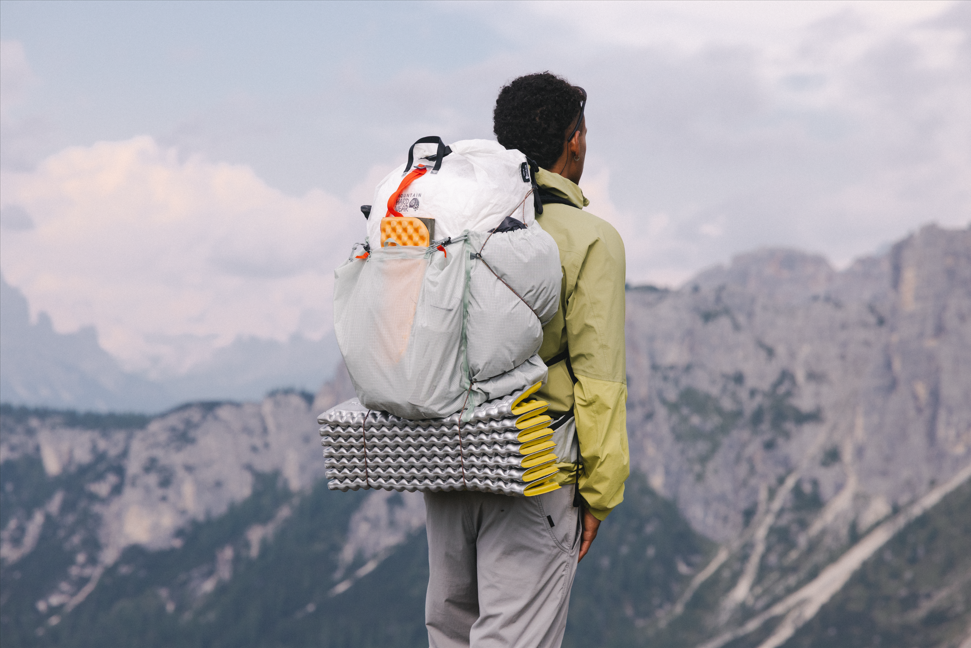
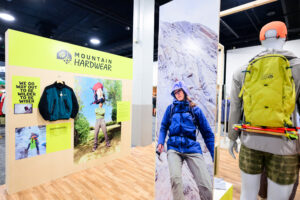 Mountain Hardwear is taking a similar approach, particularly in its pack design. By incorporating frames, suspension, and load-carrying capabilities into lightweight packs, the brand is getting ahead of one of the most common failure points for new ultralight users. The goal isn’t to compete with the lightest possible gear, but to create products that are light enough to feel fast while still being comfortable and forgiving in real-world use. “It’s more about experience,” Davis says. Rather than expecting customers to meet them with a pinnacle-core piece, Mountain Hardwear is meeting the customer where they really are – in that middle ground of ultralight curious consumers.
For specialty retailers, this shift presents both a challenge and a clear opportunity. Customers are increasingly walking into stores asking for ultralight gear by name, often influenced by what they’ve seen online, but without a full understanding of what that choice entails. That can put retailers in a difficult position. Sales associates don’t want to gatekeep, but they also know that the lightest option isn’t always the right one.
That’s where specialty retail can differentiate itself. Ultralight is not a one-size-fits-all so retailers can frame this category as a spectrum and guide customers to products that actually meet their needs. Kim suggests starting with priorities and experience level, helping customers understand whether they’re truly chasing grams or simply looking for a better overall outdoor experience. From there, the conversation can shift away from specs and toward outcomes like better sleep, less fatigue, and more enjoyable trips.
In practice, that means normalizing trade-offs, not avoiding them, and highlighting products that sit in that increasingly important middle ground. It also means protecting the customer’s first experience with lighter gear, which can have an outsized impact on whether they continue in the activity. “A good first ultralight experience should be someone going out there and having fun,” says Kim. “They shouldn’t be sacrificing comfort. The goal is a positive experience, not just weight reduction.”
If ultralight once represented a niche philosophy, it’s now becoming a baseline expectation for today’s shopper and is being reinterpreted for a broader audience. The future of ultralight products won’t be defined by the most extreme, core users. Instead, it will be influenced by the much larger group of casual consumers who are ultralight curious, prioritizing comfort and reliability. For brands, that means building better bridges between performance and usability to keep them recreating outdoors. For retailers, it means guiding customers across those bridges to keep them coming back for more.