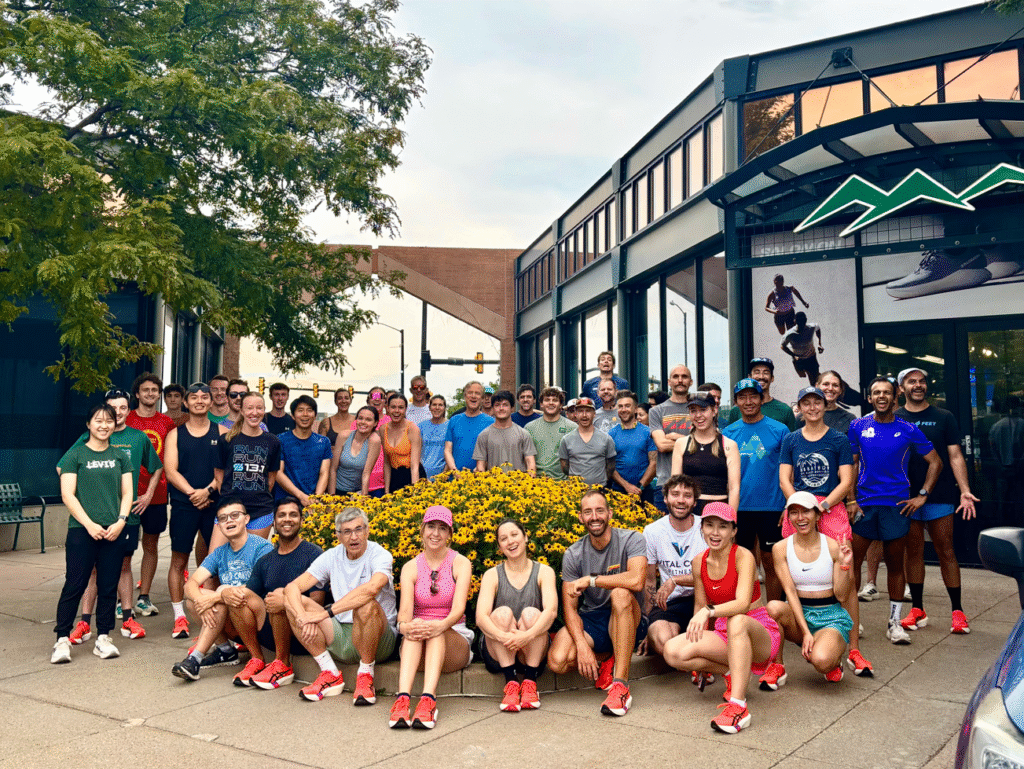
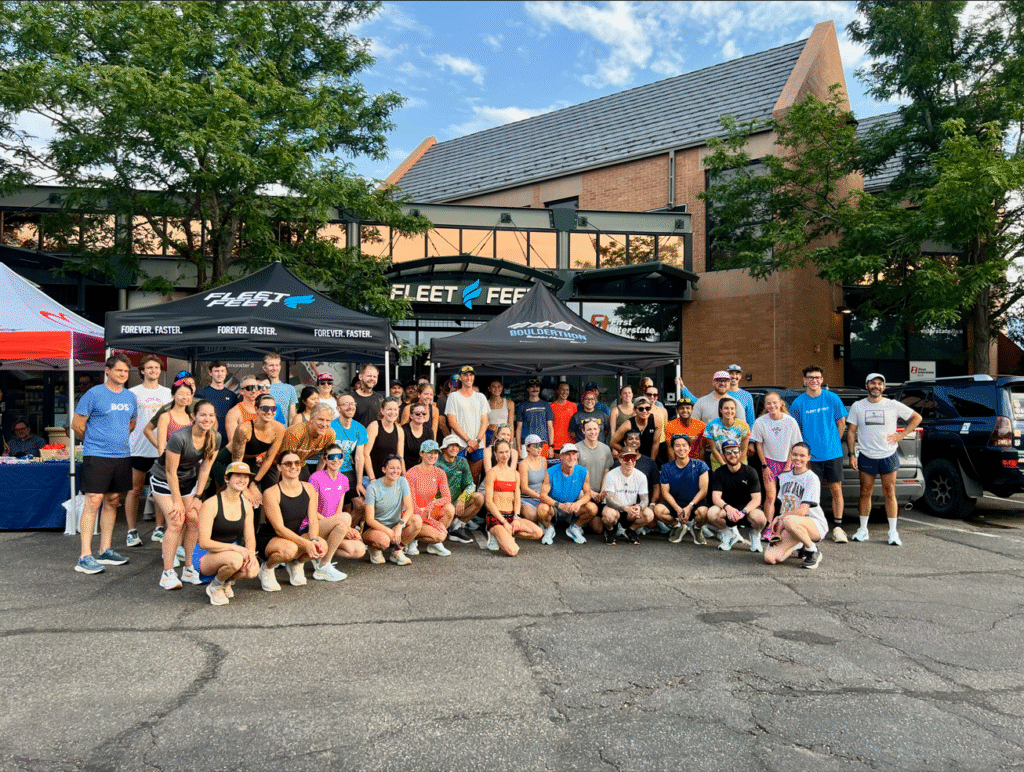
Run clubs are having a moment—and not in a fleeting, trend-cycle way. Across the country, they’ve become one of the most effective community engines in specialty retail, regularly drawing dozens (sometimes hundreds) of people into weekly, low-pressure gatherings. For run retailers, that consistency translates into loyalty, trust, and long-term customer relationships that feel earned rather than marketed. More importantly, run clubs have quietly solved a problem many outdoor retailers are wrestling with right now: how to create meaningful, in-person community without relying on expensive events, celebrity speakers, or forced brand activations.
At their best, run clubs function as a modern “third place.” They’re accessible, participatory, and welcoming to newcomers who may not yet see themselves as “runners.” As Gen Z and younger Millennials increasingly seek connection, movement, and alcohol-optional social spaces, run clubs have become a low-cost, high-impact way to help retailers stay relevant. The opportunity for outdoor specialty is clear: you may not sell running shoes, but the principles behind run clubs’ success are very transferable.
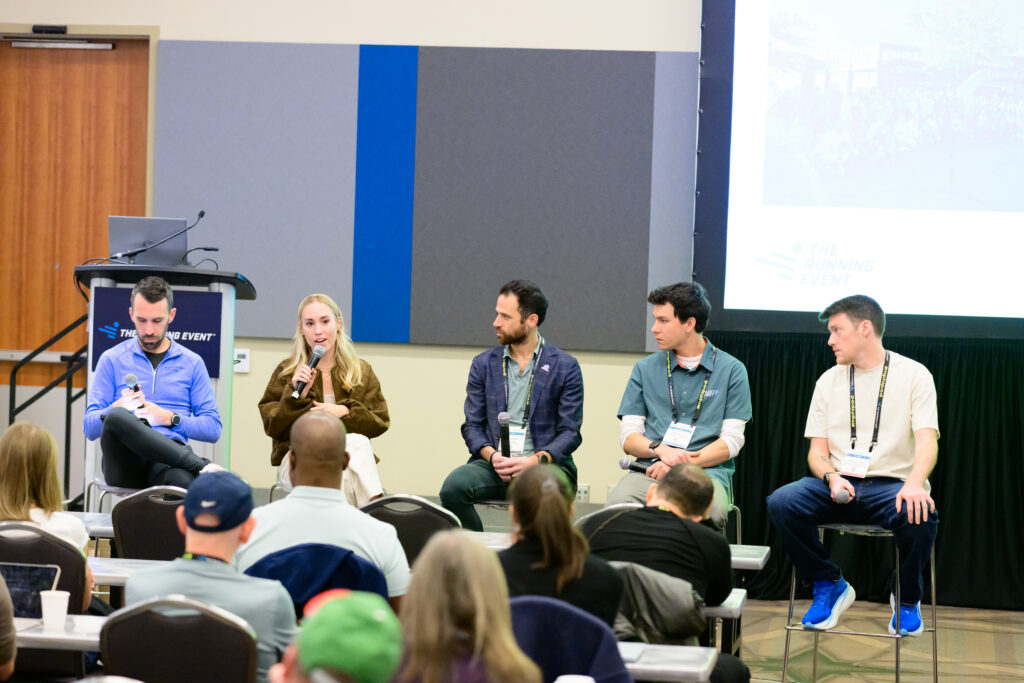
To understand why this model works, and how outdoor retailers can adapt it, we spoke with Emilio Anaya, Community Outreach Manager at Fleet Feet Boulder and a speaker at The Running Event’s education session “Why Run Clubs Are the New Growth Channel for Retailers: A Boulderthon Case Study.” Anaya brings a unique perspective: he grew up skateboarding and snowboarding, worked for REI, and now helps lead one of the most active run communities in one of the country’s most competitive endurance markets. His message to outdoor retailers is both simple and challenging: community doesn’t start with expertise, it starts with lowering the barrier to entry.
Running’s biggest advantage, Anaya says, is accessibility. You don’t need the “right” gear, deep knowledge, or years of experience to show up. Many outdoor sports, by contrast, unintentionally gatekeep through complexity, cost, and intimidation.
The takeaway for outdoor retailers isn’t to oversimplify technical sports but to create entry points that don’t require mastery or immediate investment. Some examples of this are beginner walks, intro meetups, or gear-agnostic hangouts. Clinics that start at absolute zero.
Panels, presentations, or experts on a stage have value and can absolutely draw potential customers to a store, but they don’t scale the community. Run clubs succeed because people do something together. Anaya suggests shifting from “come listen” to “come participate.” You don’t need to lead every activity. Sometimes the most powerful move is simply providing space, light structure, and permission for people to show up as they are. Community grows faster when customers feel ownership and not when they feel like an audience.
One of the biggest mistakes Anaya admits making early on was trying to steer run club culture too deliberately. Successful communities, he says, aren’t designed but cultivated.
Retailers can set values and guardrails, but culture emerges from the people who consistently show up. When stores try to force tone, vibe, or outcomes, participation drops. You can benefit greatly by listening early, staying flexible, and being willing to let your community surprise you.
Run clubs that thrive usually have a few clear, non-negotiable principles like being welcoming to all paces, prioritizing safety, and respecting the space and the group. Beyond that, leadership resists the urge to over-program. As Anaya puts it, the community tells you what it wants if you’re willing to pay attention. Some clubs naturally become social and conversational. Others skew performance-oriented. The mistake is deciding that ahead of time instead of observing who actually shows up.
A totally welcoming run is a remarkable draw for newcomers. Anaya is blunt: newer participants are often more valuable long-term customers. They spend more, attend more events, and build deeper loyalty if their journey starts with your store.
It is a mistake to focus disproportionate energy on the top tier of your sport which includes the most experienced, most vocal, most opinionated participants. Run retail, when done right, flips that model, intentionally prioritizing those just getting started. For struggling categories, that shift alone could change the trajectory of a business.
For retailers unsure of where to begin, Anaya’s advice is refreshingly low-risk: just show up. Find existing community groups like run clubs, walking groups, paddling meetups, and trail crews and support them without expectations.
Don’t force people into your store before they trust you. Community partnerships work best when retailers act as collaborators, not owners. Over time, presence turns into credibility, and credibility turns into loyalty.