
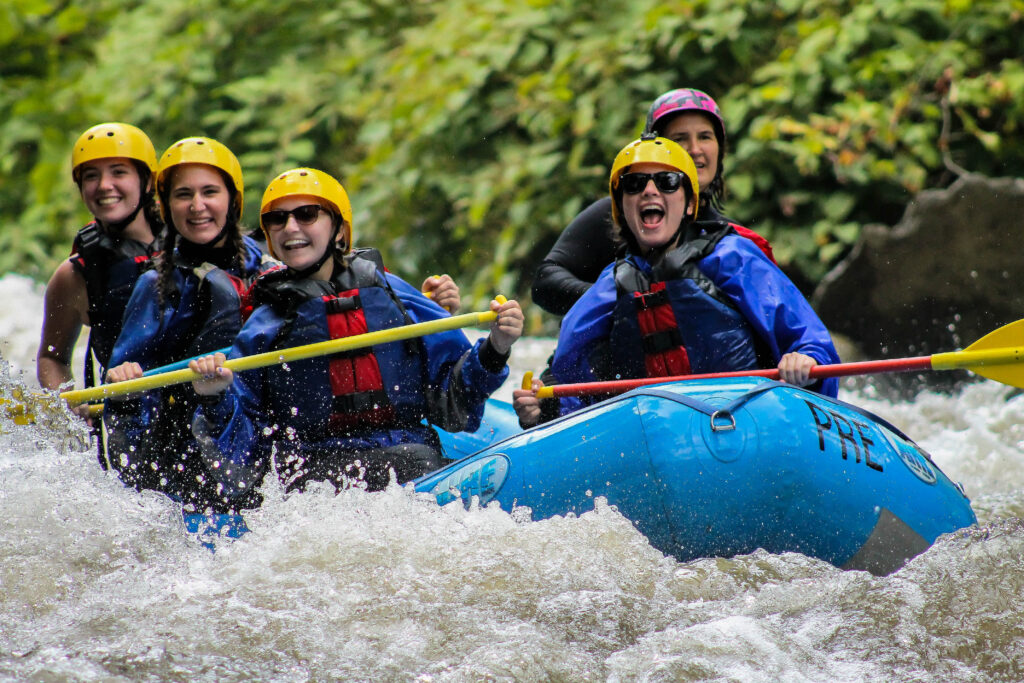
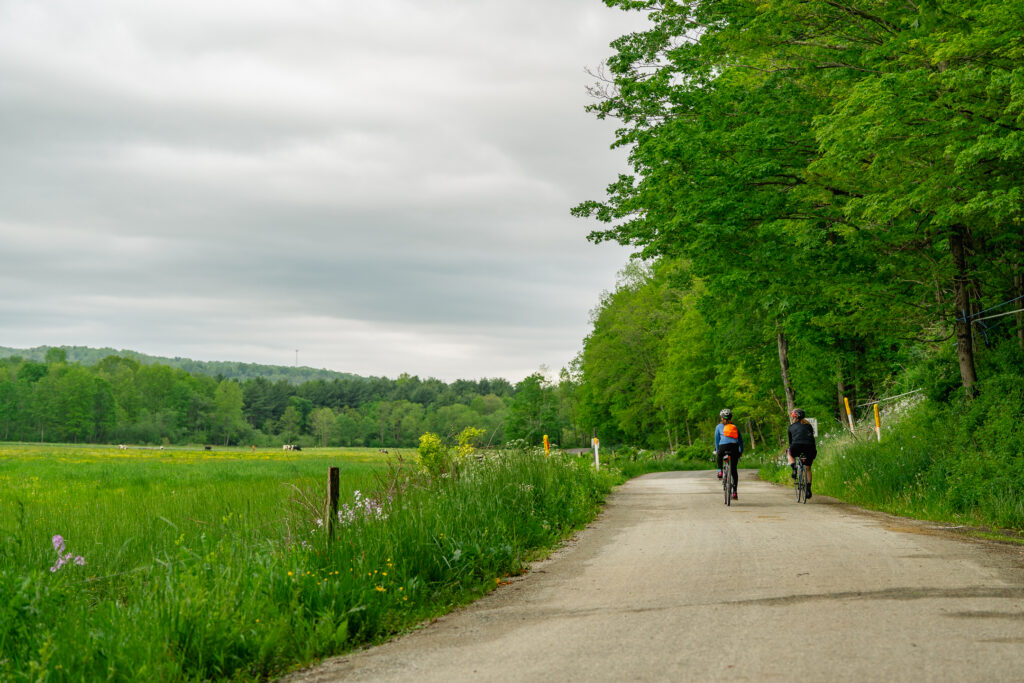
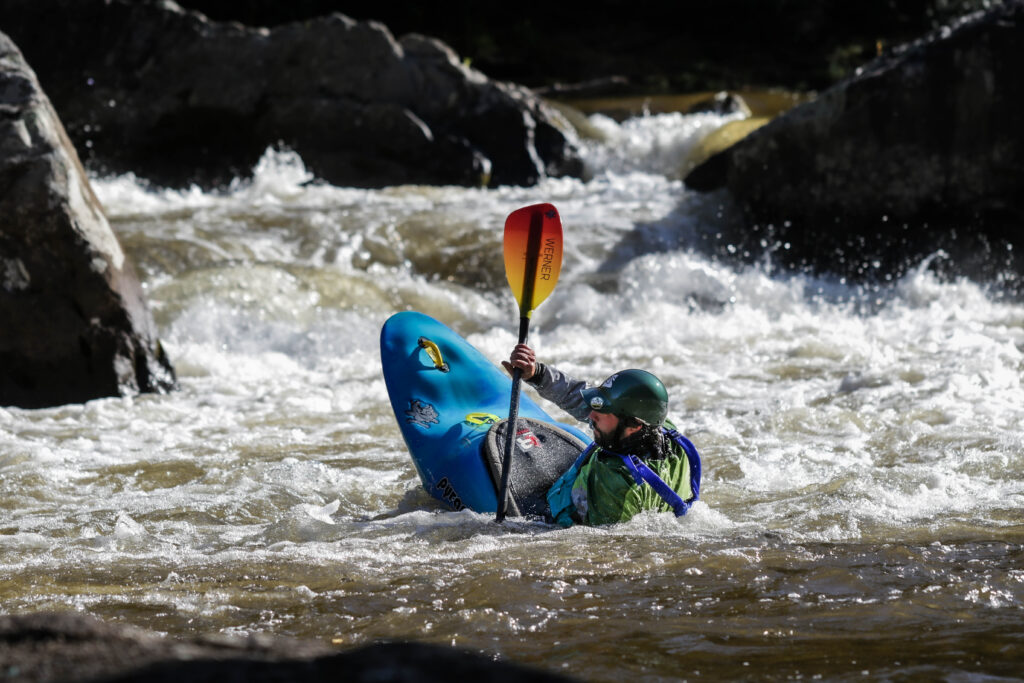
For the past 75 years, coal-mining communities in Western Maryland have watched their populations decline steadily. While this exodus weakened the local economy, the region is getting a financial boost from an uptick in visiting hikers, bikers, paddlers, and climbers.
“One thing that’s helped stabilize the economy here is tourism and outdoor recreation,” says Jeffrey Simcoe, director of the Outdoor Recreation Economy Institute at Frostburg State University in Frostburg, MD.
 For many years, communities in Western Maryland lacked a plan to attract and support recreation-oriented businesses. This began to change in 2025 when Simcoe sought help from Founded Outdoors, a national organization that supports outdoor entrepreneurs. While Founded Outdoors educates and mentors company owners, it also conducts “business needs assessments” for state agencies and economic development groups. These assessments help communities pinpoint exactly what local business owners need to succeed and build a sustainable outdoor scene.
According to Simcoe, the work of Founded Outdoors completely changed Western Maryland’s approach to building its outdoor recreation economy. The business needs assessments revealed to local leaders that it was entirely viable to build a sustainable economic foundation by backing a collection of small businesses, rather than relying on a single large corporation as the primary pillar.
Across the country, states and cities are eager to invest in outdoor recreation. However, Simcoe notes that they often don’t understand what gear makers, outfitters, or guides need to operate effectively. As a result, state outdoor recreation offices, local economic development groups, and universities hire Founded Outdoors to conduct the business needs assessments that determine exactly what is happening on the ground. During these studies, the organization examines everything from a business’s longevity and number of employees to its ability to secure financing. According to Katie Doherty, co-founder of Founded Outdoors, the group even checks “general optimism levels” to see if an owner is aiming to scale up or simply keep things steady.
One main value of these assessments is the wide net they cast over the entire outdoor economy. They analyze retail shops and cover a diverse mix of gear manufacturers, guide services, campgrounds, and ski resorts. With this flexible approach, assessments can even include a small café that keeps hikers fueled up before they hit a nearby trail. This ensures that every part of a community’s outdoor ecosystem is accounted for.
When Founded Outdoors conducted the assessment in Western Maryland, the results highlighted specific local hurdles. For example, business owners in the region faced a constant battle with seasonality, having to earn enough in peak months to survive the dead of winter.
 In addition, the assessment revealed that startups had difficulty accessing capital. “Product businesses, especially, really struggle with getting the financing piece,” Doherty notes. These companies don’t fit the rapid-growth models required by venture capital, yet they lack the real estate collateral or the three years of predictable revenue required for traditional bank loans. Without capital, many new companies can’t manufacture the goods they need to sell online or in stores.
Beyond financial challenges, the needs assessment also found that businesses were wrestling with a massive shift in marketing. “It’s very challenging because the old forms of marketing—the billboards, the radio, the newspaper—those don’t work anymore,” Doherty explains. “Plus, digital marketing is changing constantly. So, it’s hard for the business owners to keep up with the changes and the algorithms.”
The studies conducted by Founded Outdoors not only reveal financial challenges, but they also uncover deeper factors holding back outdoor economies, such as the personal toll on business owners. Because many are operating as solopreneurs, they must juggle HR, legal, and daily operations on their own, without the budget to hire staff to ease the burden. As Doherty points out, this workload frequently leads to severe burnout. “They’re stuck in this position where they can’t grow the business, but they also don’t have the profit to be able to hire,” she says.
Identifying these operational burdens and financial hurdles is only the first step. To actually build a thriving outdoor business ecosystem, someone has to turn that data into action. That is why Founded Outdoors delivers completed assessments directly to the community leaders who have the power to change things. They present the reports to a collective of influential stakeholders, including state outdoor recreation offices, chambers of commerce, economic development groups, and small business development centers.
Once stakeholders have the reports, they use them to develop strategies to boost the local outdoor economy. Part of this process is mapping out key players in the local landscape and engaging them. “Founded Outdoors helped us identify businesses and interact with them through stakeholder engagement meetings,” says Simcoe. He adds that this approach is vital because it allows communities to move past abstract economic goals and “bring the local business community directly into the fold from day one.”
Getting locals involved right away like this is usually just the starting point for much bigger regional plans. Building on these assessments, communities across the country are using assessments to create five-year Comprehensive Economic Development (CED) plans, providing local governments with a roadmap for long-term growth. In other regions, the data also helps to shape specialized workshops and short-term, intensive accelerator programs. These initiatives bring in mentors and industry experts to work directly with entrepreneurs, providing them the exact training, resources, and connections they need to expand and grow their operations.
In Western Maryland, the assessment helped completely reframe the region’s thinking about economic growth. Some people believed the only solution was to wait for a massive company to move in, but Simcoe had a different vision. “I’d rather have 25 small businesses develop than one huge manufacturer come in and be here for just a few years,” Simcoe says. The assessment gave him the concrete data points he needed to back up that philosophy, proving that investing in local entrepreneurs was a viable path forward. As Simcoe notes, having an independent report is crucial when pitching to funders because “it’s one thing for me to say it, it’s another thing for an objective third party to come in and state it.” With that backing, he was able to justify a major funding proposal right away and establish a new regional outdoor business alliance to support those small businesses.
The creation of the Western Maryland business alliance highlights the power of Founded Outdoors’ assessments. They create a ripple effect that begins when local leaders use the findings to build healthier, more resilient business communities. As retailers, outfitters, and eateries thrive, they make the area more appealing to travelers and attract new residents. More and more regions are leaning into outdoor recreation, recognizing that quality of life has become a major factor in where people choose to settle. A robust trail system is a powerful selling point for any town trying to reinvent itself and draw in fresh energy.
You can see this transformation clearly in Western Maryland. Areas once tied to the unhealthy and unstable coal-mining industry are rebounding through activities like hiking, biking, and paddling.
Founded Outdoors has been the vital catalyst for this shift, providing the hard data needed to jumpstart a new economic model. Reflecting on the partnership, Simcoe emphasizes that the organization’s impact goes far beyond standard consulting, praising “their ability to leverage their community network and experiences to help inform their recommendations.”
While an assessment can provide the blueprint, sustaining that growth requires a village—from the independent gear makers to the small cafés fueling the adventure. Looking ahead, Simcoe notes that small businesses truly drive rural economies and create pockets of growth that can be easily overlooked, emphasizing, “We need to be looking in those rural areas. We need to help educate entrepreneurs and bring resources to the region to help them succeed.”
