In a world that feels increasingly chaotic and confusing, consumers are prioritizing their well-being, presenting the outdoor industry with a significant growth opportunity.
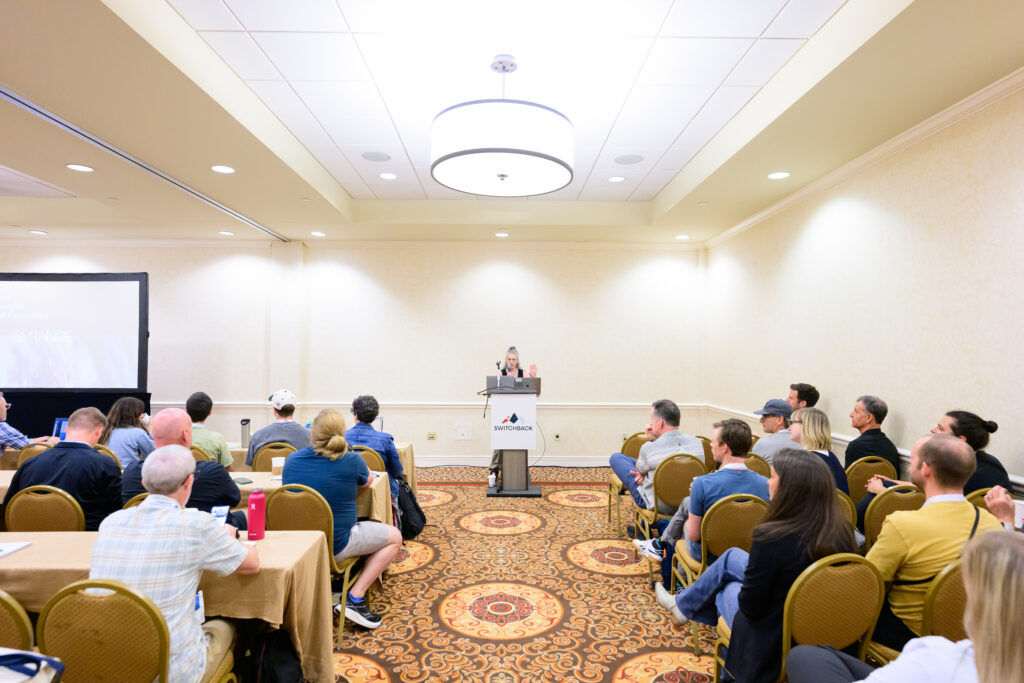
That was the central message of the education session titled “On the Horizon: What’s Next for Outdoor” at Switchback Spring 2025 in Nashville, TN.
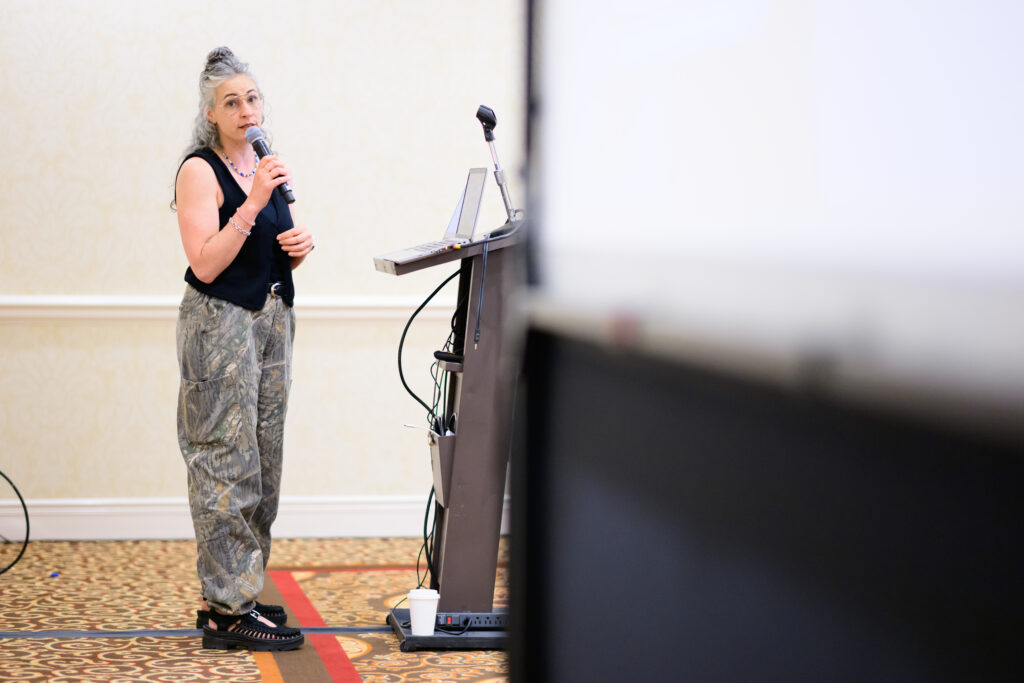
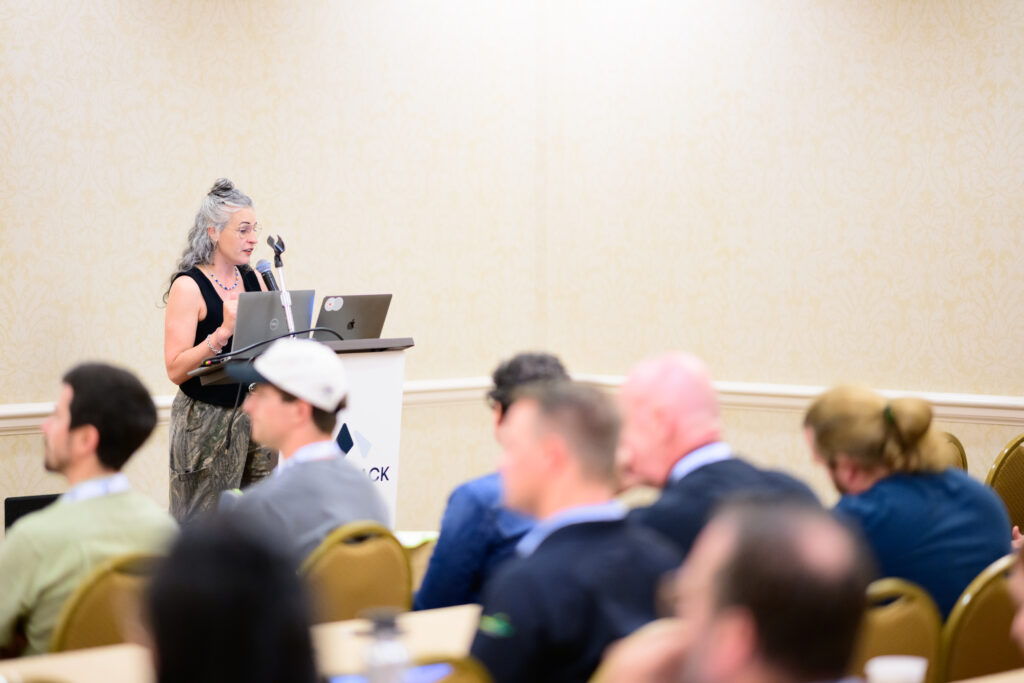
“Consumers are constantly absorbing news and social media, often feeding off negative information,” says Jeanine Pesce, founder and creative director of the trend forecasting company RANGE. “They try to channel their anxiety into action, and they’re always looking for ways to make a difference, but they might feel overwhelmed by the scale of the issues at hand.”
Amid the chaos, consumers crave “emotional relief and lightness,” says Pesce, adding that people are prioritizing their mental and physical health and seeking ways to improve every aspect of their lives.
“We’re looking at well-being as a holistic ecosystem, incorporating mind, body, and community with a focus on shared connections to nature and each other,” says Pesce.
This new mindset provides an excellent opportunity for outdoor manufacturers and retailers, says Pesce, noting that outdoor recreation delivers many of the things consumers are seeking. However, businesses must adjust to engage consumers effectively. According to Pesce, brands should focus on building genuine connections with consumers and helping them improve physically, mentally, and socially. Plus, brands must offer unique, personalized experiences that create bonds with consumers.
Here are some key takeaways from Pesce’s presentation:
 Driven by fear and anxiety, today’s consumers are seeking happiness and looking beyond material possessions to cultivate a fulfilling life. “In a modern aspiration economy, consumers collect cultural, social, and environmental knowledge,” says Pesce. “This is an amazing opportunity for outdoor brands to really step up since we’ve got tons of intel on social and environmental knowledge.”
To make the most of this moment, an outdoor business must offer more than a product or transaction. Instead, it must deliver something that helps improve a customer’s life.
“Modern brands must evolve beyond transactions,” says Pesce. “Brands that can offer products, services, and experiences that foster connection, mindfulness, and environmental stewardship are becoming more relevant,” says Pesce.
Consumers these days want experiences that allow them to connect with others, develop relationships, and improve their physical and mental health. “Outdoor brands that tap into this growing mental wellness trend by offering products and experiences, whether it’s outdoor yoga, meditation, retreats, or simply promoting the restorative power of nature, will see more and more success,” says Pesce.
In a multi-year initiative, L.L. Bean is partnering with Mental Health America, providing grants for outdoor programs and encouraging people to spend time outside for their mental well-being. Also, across the country, specialty retailers have launched walking, running, and biking clubs, where people prioritize socializing over setting personal records.
Offer Authentic Expert Opinions
 As consumers prioritize relationships, they are also turning to people they know and trust for advice on everything from brands to products to places to explore. “With the rise of AI and inherent distrust of algorithms, consumers are increasingly seeking out human validation and expert opinions,” says Pesce, noting that shoppers primarily consult friends, family, and sales associates.
“Consumers are moving toward peer-to-peer influence, not just for purchases, but also for shaping how we recreate,” says Pesce. According to a 2024 Strava report, Gen Z and millennial athletes are driven more by their close social circles than professional athletes or influencers.
“Brands are shifting away from A-list celebrities and embracing familiar everyday faces in their seasonal campaigns,” says Pesce, noting that a Lululemon marketing campaign features Joan McDonald, a 78-year-old content creator, a person you wouldn’t normally associate with the brand.
While consumers are seeking authentic voices, they are also looking for brands that support their efforts to protect the environment and live sustainably. “Environmental awareness and sustainability are becoming key business drivers,” says Pesce, noting that the fashion resale market is growing 21 times faster than the sale of new clothes. Citing the Boston Consulting Group, Pesce says that 62% of shoppers are more likely to buy from fashion brands that partner with secondhand labels.
Manufacturers and retailers are responding by selling secondhand items and offering repair services. “Brands are taking an active role to extend the life of their products,” says Pesce, pointing to the Arc’teryx ReBird program.
Whether a business offers repair services or hosts a run club, the whole goal is to create meaningful moments with customers. One effective strategy is to deliver highly personalized experiences for customers. “One-of-a-kind brand experiences and immersive retail environments are shaping bespoke worlds that resonate with consumers on a deeper, more meaningful level,” says Pesce. In London, Hoka introduced the Run Stop Corner Shop, a pop-up shop with a hidden space where visitors could try new products. As another example, Clarks created a pop-up shop where customers designed their own shoes.
Some businesses prefer to host a “third space,” which blends retail space with a modern clubhouse for running, hiking, and bike clubs. “We’re seeing them become purposeful retail where people can gather, linger, and connect,” says Pesce.
In London’s Covent Garden district, Gramicci added a library stocked with over a hundred climbing guidebooks, providing a place for the community to gather.
During Paris Men’s Fashion Week, Gore-Tex transformed a showroom into a TV studio and invited the public to visit and view programs featuring local apparel experts and creators.
Whether a company launches a third space, a repair center, or a run club, the business will benefit by delivering much more than financial transactions. As people seek relief from everyday stressors, outdoor companies can provide access to healthy outdoor pursuits and help people connect with their local community. At this moment, the outdoor industry has a unique opportunity to expand its influence, says Pesce, noting, “This is literally the moment we’ve been waiting for.